Where We Work

Explore Where We Work in India
Since 2017, we have worked across Punjab, Haryana, Uttarakhand, Himachal Pradesh, Sikkim, Madhya Pradesh, Chhattisgarh, Maharashtra and Tamil Nadu, advancing conservation through initiatives focused on regenerative agriculture, freshwater ecosystems, landscape and riparian restoration, wetland conservation and nature-positive financing driven by community-led action.
Building on these experiences, since 2024 we have adopted an integrated landscape approach to conservation. This approach recognizes landscapes as interconnected social-ecological systems, addressing biodiversity conservation and climate resilience in tandem while placing local communities at the centre of planning, governance and stewardship across each priority geography.
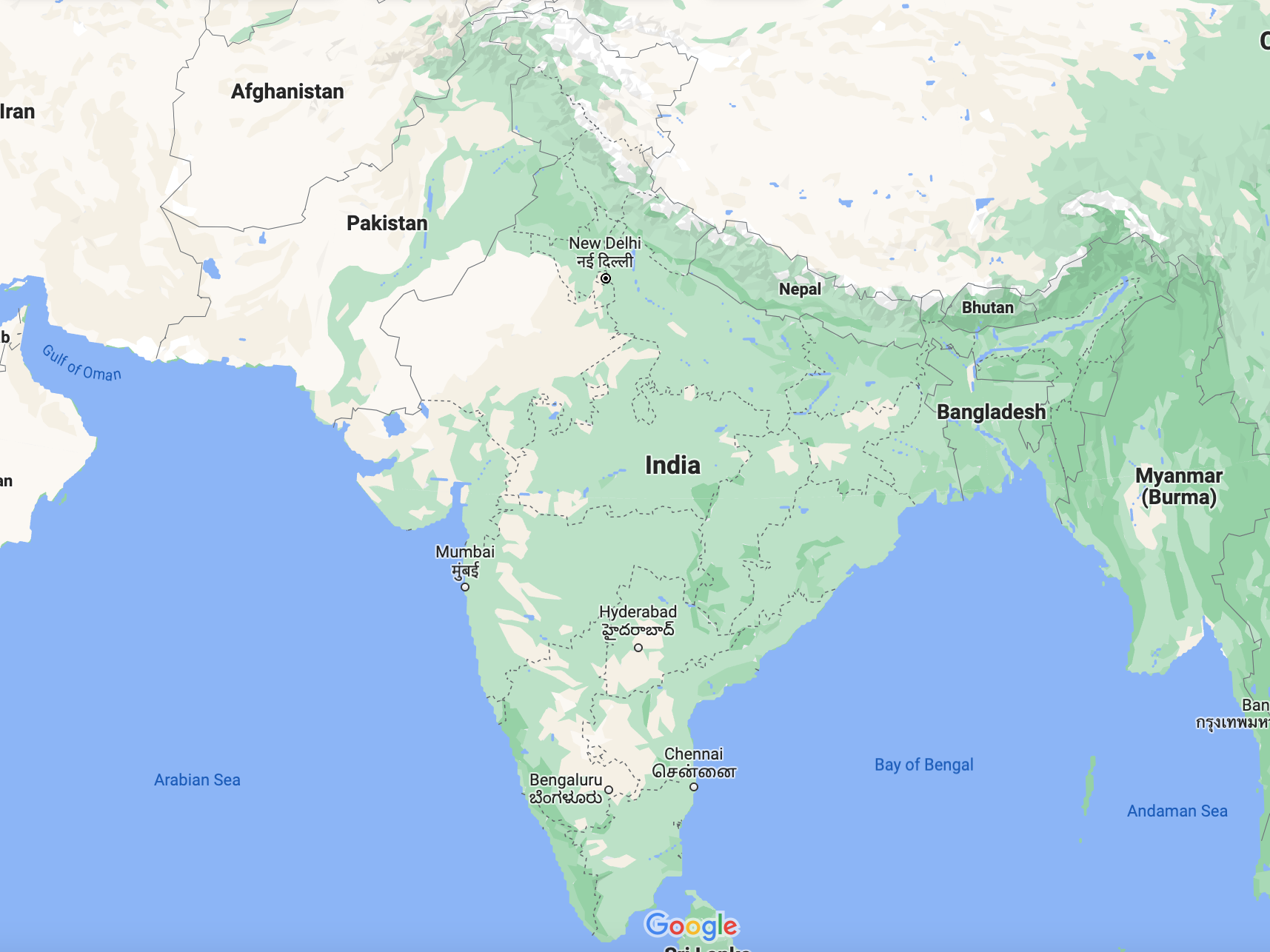
The following map shares a brief overview of our current landscapes of work in India.
Explore Our Work in India
This interactive map shares a brief overview of our current landscapes of work in India.
Western Ghats
The Western Ghats, home to rare and endemic species, are vital for biodiversity, climate regulation, and water security, supporting over 245 million people through its river systems. Yet freshwater ecosystems face growing developmental pressures. Since 2019, this project has advanced conservation in Maharashtra’s Upper Bhima basin, delivering impact across key river basins in the Western Ghats.
Read More
Meghalaya (NER India)
Strengthening Communities in NER India
At the confluence of the Indo-Burma and Himalayan biodiversity hotspots, India’s North East supports exceptional biological and cultural diversity, including over 200 Indigenous communities. Meghalaya and Nagaland exemplify both conservation challenges and opportunities. With over 80% of forests under community control, this project, initiated in 2022, is being co-developed with the State Biodiversity Boards of both states to advance community-led conservation.
Read More
Nagaland (NER India)
Strengthening Communities in NER India
At the confluence of the Indo-Burma and Himalayan biodiversity hotspots, India’s North East supports exceptional biological and cultural diversity, including over 200 Indigenous communities. Meghalaya and Nagaland exemplify both conservation challenges and opportunities. With over 80% of forests under community control, this project, initiated in 2022, is being co-developed with the State Biodiversity Boards of both states to advance community-led conservation.
Read More
Madhya Pradesh
The Return of Elephants as a Catalyst for Landscape Restoration
Across the 375,000-hectare Bandhavgarh-Sanjay Dubri landscape in Madhya Pradesh, wild elephants are reclaiming habitats they vanished from over a century ago. Now home to 97 resident elephants, the landscape presents a rare conservation opportunity. Co-designed with the Forest Department, the project promotes coexistence through conflict mitigation, habitat restoration, community partnerships, and science-based conservation.
Read More
Madhya Pradesh (Agroforestry Field Pilot)
Integrating Biodiversity and Climate
Natural Climate Solutions (NCS) can deliver powerful climate and biodiversity benefits, yet biodiversity is often overlooked. This project addresses key gaps by developing planning tools, implementation models and sustainable finance linkages in two Central India landscapes. The goal is to create and validate a scalable model that integrates conservation and climate action across diverse habitats.
Read More
Madhya Pradesh (Mulching Field Pilot)
Integrating Biodiversity and Climate
Natural Climate Solutions (NCS) can deliver powerful climate and biodiversity benefits, yet biodiversity is often overlooked. This project addresses key gaps by developing planning tools, implementation models and sustainable finance linkages in two Central India landscapes. The goal is to create and validate a scalable model that integrates conservation and climate action across diverse habitats.
Read More

 Return